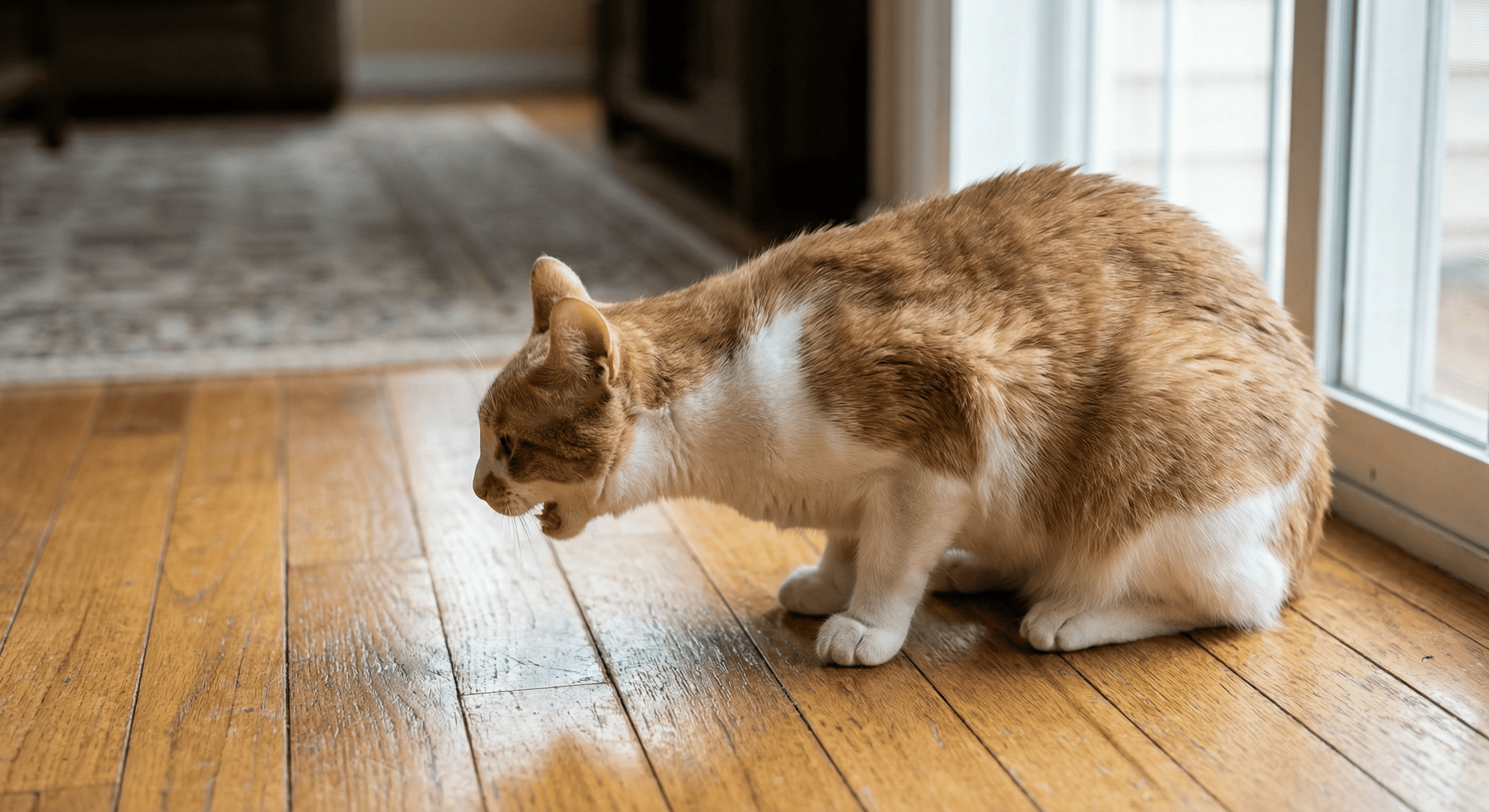

As a cat owner, you have likely experienced the dreaded sight and sound of your feline friend hacking up a hairball. While this is a common occurrence, it can become a significant concern if it happens frequently. Understanding why hairballs form and when they signal a deeper health issue is essential for any proactive pet parent.
Why Do Cats Develop Hairballs?
Cats are meticulous groomers that often spend a significant portion of their day cleaning themselves. Their tongues act as natural hairbrushes because they are covered in tiny, backward-facing spines called papillae. These spines are made of keratin, which is the same protein found in human fingernails. During the grooming process, these papillae remove loose fur and dirt. Cats then swallow this loose fur, which typically passes through the digestive system without issue. However, if the fur accumulates in the stomach and clumps together, it forms a hairball.
Factors That Increase Hairball Risk
Several factors can make a cat more prone to frequent hairballs:
- Fur Length: Long-haired breeds, such as Persians and Maine Coons, are more likely to develop hairballs because their thick fur is harder to shed.
- Grooming Habits: Cats that groom excessively, particularly during shedding seasons, ingest more hair.
- Dietary Fiber: A low-fiber diet may hinder the digestive system's ability to move hair through the intestines effectively.
- Underlying Health Issues: Conditions like allergies or skin problems can cause a cat to groom more often.
- Gastrointestinal Problems: Issues such as inflammatory bowel disease or intestinal cancer can make it difficult for hair to pass, leading the cat to hack it up instead.
When Hairballs Become a Medical Issue
While the occasional hairball is considered normal, frequent or severe cases can lead to various health complications:
- Gastrointestinal Blockage: Large hairballs can create a physical obstruction in the digestive tract, a serious condition that often requires veterinary intervention.
- Vomiting and Discomfort: Recurrent hairballs can cause chronic vomiting and general abdominal discomfort.
- Dehydration and Weight Loss: Persistent vomiting can lead to a decrease in appetite, dehydration, and a decline in overall health.
Effective Treatment and Prevention
Prevention is the most effective approach to managing your cat's digestive health. If your cat struggles with frequent hairballs, consider the following strategies:
1. Dietary Adjustments: Switching to a high-fiber diet can help hair pass through the digestive system more efficiently. Many specialized hairball control cat foods are specifically formulated to reduce clumping and improve motility.
2. Specialized Remedies: Over-the-counter remedies, including gels and flavored treats, can help lubricate the digestive tract. This lubrication eases the passage of hair through the intestines.
3. Routine Grooming: Regularly brushing your cat is one of the best ways to reduce the amount of loose fur they ingest. This is especially vital for long-haired breeds and during peak shedding seasons.
4. Hydration and Maintenance: Ensure your cat has constant access to fresh water to maintain proper digestion. Additionally, regular veterinary check-ups are necessary to identify any underlying health issues that might be contributing to excessive grooming.
The Bottom Line
Hairballs are a common aspect of owning a cat, but they can lead to significant health concerns if they are not managed properly. By recognizing the causes and taking proactive steps for prevention, you can help your cat lead a more comfortable life.
If you have concerns about your cat’s grooming habits or the frequency of their hairballs, do not hesitate to consult your veterinarian for a tailored health plan. And if you notice your cat may be having an emergency, Ruby Veterinary Urgent Care is standing by to help.