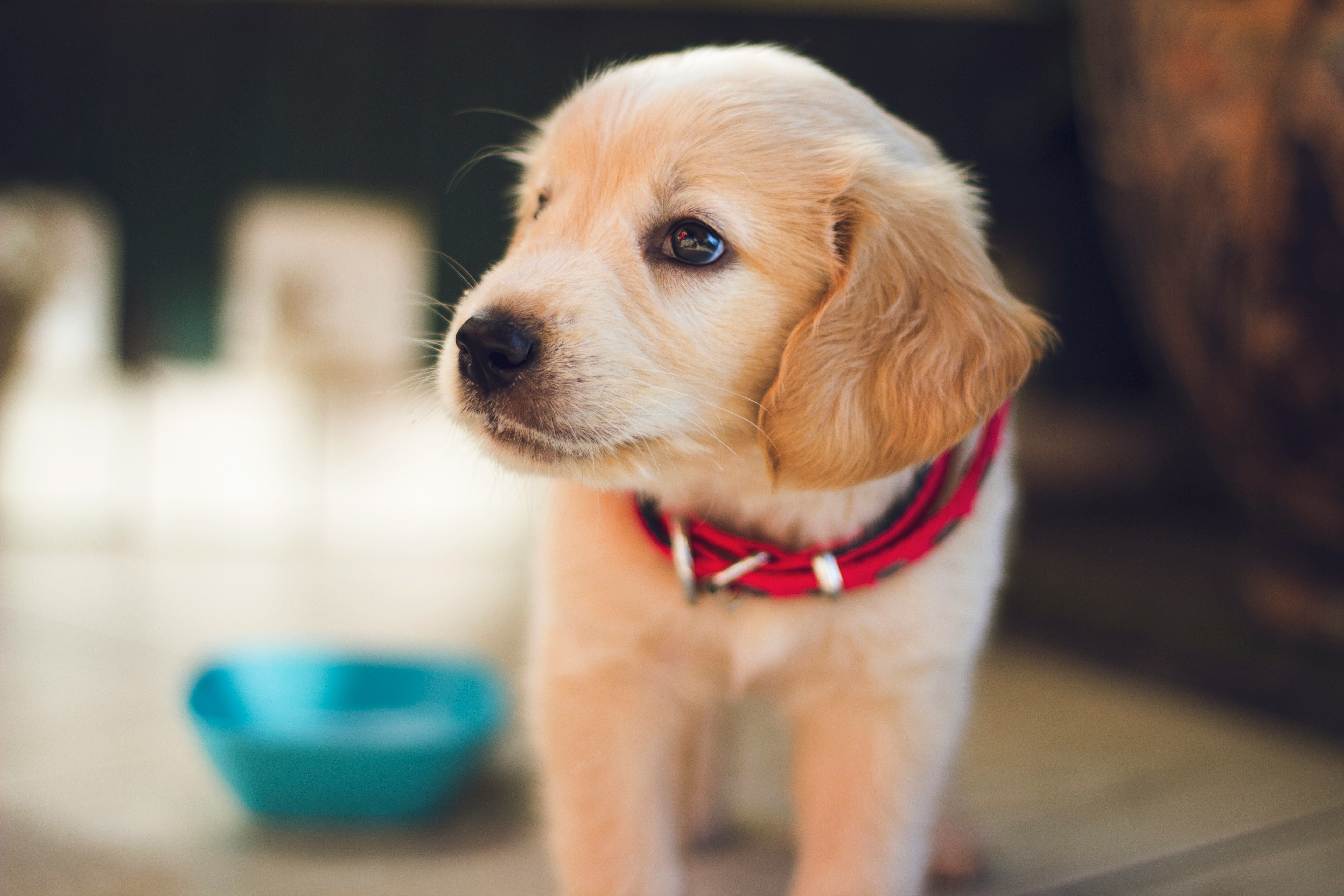

Bringing a puppy home is an exciting milestone, but it comes with plenty of responsibilities. Have you picked out the right crate? Do you know which food you'll feed? Have you stocked up on enough chew toys to protect your furniture from those sharp puppy teeth? Among all the preparations, one of the most important steps is often overlooked: scheduling your puppy’s first veterinary visit.
Your puppy should be examined by a veterinarian within the first few days of arriving home. This initial check-up sets the foundation for your dog’s lifelong health and begins the essential relationship between your pet and their primary care veterinarian. Starting strong helps ensure your puppy grows into a healthy, happy adult, and allows you to address any questions early on.
As a devoted pet parent, few things are more heartbreaking than seeing your puppy sick. Fortunately, many serious illnesses are preventable with proper care. One of the most dangerous and highly contagious diseases in young dogs is canine parvovirus, commonly known as "parvo".
Awareness is the first step in prevention. Below, we’ll cover what parvovirus is, how it spreads, the warning signs to watch for, and how to protect your puppy through early vaccination and care.
What Is Canine Parvovirus?
Canine parvovirus is a highly contagious viral infection that primarily affects puppies and unvaccinated dogs. It attacks rapidly dividing cells in the intestines and the bone marrow, leading to severe gastrointestinal illness, sepsis and ultimately death.
How Does Parvovirus Spread?
Canine parvovirus spreads easily through direct contact with infected dogs, exposure to feces from infected dogs, or contact with virus-contaminated surfaces. These surfaces can include kennels, food and water bowls, leashes, clothing, shoes, and even the hands of people who have recently handled an infected dog. The virus can also persist in outdoor environments where infected dogs have defecated.
Parvovirus is shed in large amounts in the feces of infected dogs and is notoriously hardy. It can survive in the environment for months to years and is highly resistant to heat, cold, humidity, and drying, making it extremely difficult to eliminate without proper disinfection.
Because canine parvovirus is highly contagious, any dog suspected or confirmed to be infected must be strictly isolated from other dogs. Rigorous infection control measures are essential and include thorough cleaning and disinfection of all contaminated areas using products specifically proven to kill parvovirus. These steps are critical to limiting the spread of this serious disease.
Contributing Factors to Increased Parvo Susceptibility
While canine parvovirus can infect any dog, certain factors significantly increase the risk of infection.
- Genetics: Some breeds appear to be more susceptible to parvovirus, particularly Rottweilers. Other breeds commonly overrepresented include German Shepherds, Doberman Pinschers, and Pit Bulls.
- Age: Puppies between 6 weeks and 6 months of age are at the highest risk because their immune systems are still developing.
- Maternal Immunity: Puppies born to mothers who were not properly vaccinated against parvovirus are at increased risk, as they may not receive adequate protective antibodies through their mother’s colostrum.
- Compromised Immune System: Dogs with weakened immune systems due to other illnesses, parasites, or poor overall health are more susceptible to infection.
- Incomplete Vaccination: Dogs that have not completed their full parvovirus vaccination series are at a significantly higher risk of contracting the virus.
Signs and Symptoms of Canine Parvovirus
The incubation period for canine parvovirus, which is the time between exposure and the onset of symptoms, is typically 3 to 7 days. Once symptoms begin, the disease progresses quickly, and early veterinary intervention is critical.
Common signs of parvovirus infection include:
- Severe, often bloody diarrhea
- Vomiting
- Loss of appetite
- Lethargy or extreme fatigue
- Fever or hypothermia (low body temperature in severe cases)
- Dehydration
- Rapid weight loss
Diagnosis and Testing
If you suspect your dog may have parvovirus, your veterinarian will perform a combination of tests to confirm the diagnosis and assess the severity of the illness.
Common diagnostic steps include:
- Fecal ELISA test: A rapid test that detects parvovirus antigens in the stool
- Bloodwork: Helps evaluate hydration status, white blood cell count, and organ function
Early diagnosis significantly improves the chances of recovery and reduces the risk of complications.
Treatment and Supportive Care for Parvovirus
There is no antiviral drug that specifically cures parvovirus. Treatment is focused on intensive supportive care to help the immune system fight the infection and prevent complications.
Veterinary treatment typically includes:
- Hospitalization for round-the-clock monitoring
- Intravenous (IV) fluids to correct dehydration
- Electrolyte therapy to restore fluid balance
- Antibiotics to prevent or treat secondary bacterial infections
- Antiemetics and anti-diarrheal medications to manage symptoms
- Nutritional support, often via IV or feeding tubes
- Canine Parvovirus Monoclonal Antibody therapy (if available), a newer treatment that helps neutralize the virus
Hospitalization often lasts several days and may require isolation to prevent the virus from spreading to other dogs.
How Does Canine Parvovirus Monoclonal Antibody Work?
Canine Parvovirus Monoclonal Antibody (CPMA) is a targeted treatment that involves a single injection of lab-engineered antibodies designed to bind to and neutralize the parvovirus in a dog’s body. By directly attacking the virus, CPMA helps reduce vomiting, lethargy, and mortality associated with parvo infections.
The antibody works by preventing the virus from attaching to and damaging healthy cells. This limits the spread of infection, reduces the severity of clinical signs, and improves the dog’s chances of recovery.
CPMA is administered intravenously, typically in conjunction with other supportive treatments such as IV fluids, antibiotics, and anti-nausea medications. The primary goals of CPMA therapy are to shorten the duration of illness, minimize complications, and reduce viral shedding, making it a valuable addition to traditional parvo treatment protocols.
Prevention Is Key
Vaccination is the most effective way to protect your dog from canine parvovirus. Puppies should begin their core vaccine series at 6 to 8 weeks of age, with boosters every 3 to 4 weeks until they are at least 16 weeks old. A booster dose should be given one year after the final dose in the initial series. After that, boosters are typically recommended every three years to maintain long-term immunity.
In addition to vaccinations, you can reduce the risk of exposure by following these preventive steps:
- Limit your puppy’s exposure to high-risk areas such as pet stores, dog parks, group training classes, kennels, grooming facilities, and doggy daycare, especially if your puppy is unvaccinated or still completing their vaccine series.
- Choose facilities that require up-to-date vaccinations, practice good hygiene, and isolate sick dogs or puppies.
- Always pick up after your dog and prevent them from sniffing or contacting other dogs’ feces.
- Avoid interactions with unvaccinated or unknown dogs. Keep your pet home if they are sick.
- If you’ve been in contact with a dog diagnosed with parvovirus, thoroughly wash your hands and change your clothes before handling your own dog or visiting other pets.
Why Do Puppies Need So Many Vaccines?
Puppies have immature immune systems, which makes them more vulnerable to life-threatening diseases like parvovirus. If a puppy's mother was vaccinated or recovered from parvovirus, she may pass protective antibodies to her puppies through colostrum, the first milk they ingest after birth.
These maternal antibodies help shield the puppy during early life, but they begin to wane over time. The half-life of these antibodies is about 9.7 days, and there’s a period where the protection is no longer strong enough to prevent infection but still high enough to interfere with vaccine effectiveness. This is known as the "window of susceptibility."
To ensure adequate immunity, puppies are given a series of vaccinations beginning at 6 to 8 weeks old, with boosters every 2 to 4 weeks until they are at least 16 weeks of age. This strategy increases the chance that one of the vaccines will take effect during the optimal window when maternal antibodies have declined.
Does My Dog Still Need Parvovirus Vaccines After Recovering?
If your dog has recovered from parvovirus, they have developed natural immunity to that specific strain. However, parvovirus has multiple strains, and reinfection with a different variant is still possible. For this reason, veterinarians strongly recommend continuing the vaccination series after recovery to ensure broad and long-term protection.
Prognosis and Recovery
With prompt veterinary treatment, many dogs, especially those treated early, recover fully from parvovirus. The prognosis worsens in cases of severe dehydration, secondary bacterial infections, or delayed medical care.
Ultimately, prevention through timely vaccination remains the safest and most cost-effective strategy to protect your dog from this potentially deadly disease.
Be Proactive in Managing Your Pet's Risk to Parvo
Canine parvovirus is a serious and potentially deadly threat to unvaccinated puppies and dogs, but with the right knowledge and preventative care, it is largely avoidable. Regular veterinary checkups, staying on top of your dog’s vaccination schedule, and practicing good hygiene are the most effective ways to protect your pet from this highly contagious virus.
If your puppy shows any signs of illness, especially vomiting, diarrhea, or lethargy, seek veterinary care immeditely. At Ruby Veterinary Urgent Care, our team is fully equipped to diagnose, treat, and transfer to a 24/7 facility if overnight care is necessary.
Protect your pup today and give them the gift of good health and happy days ahead!