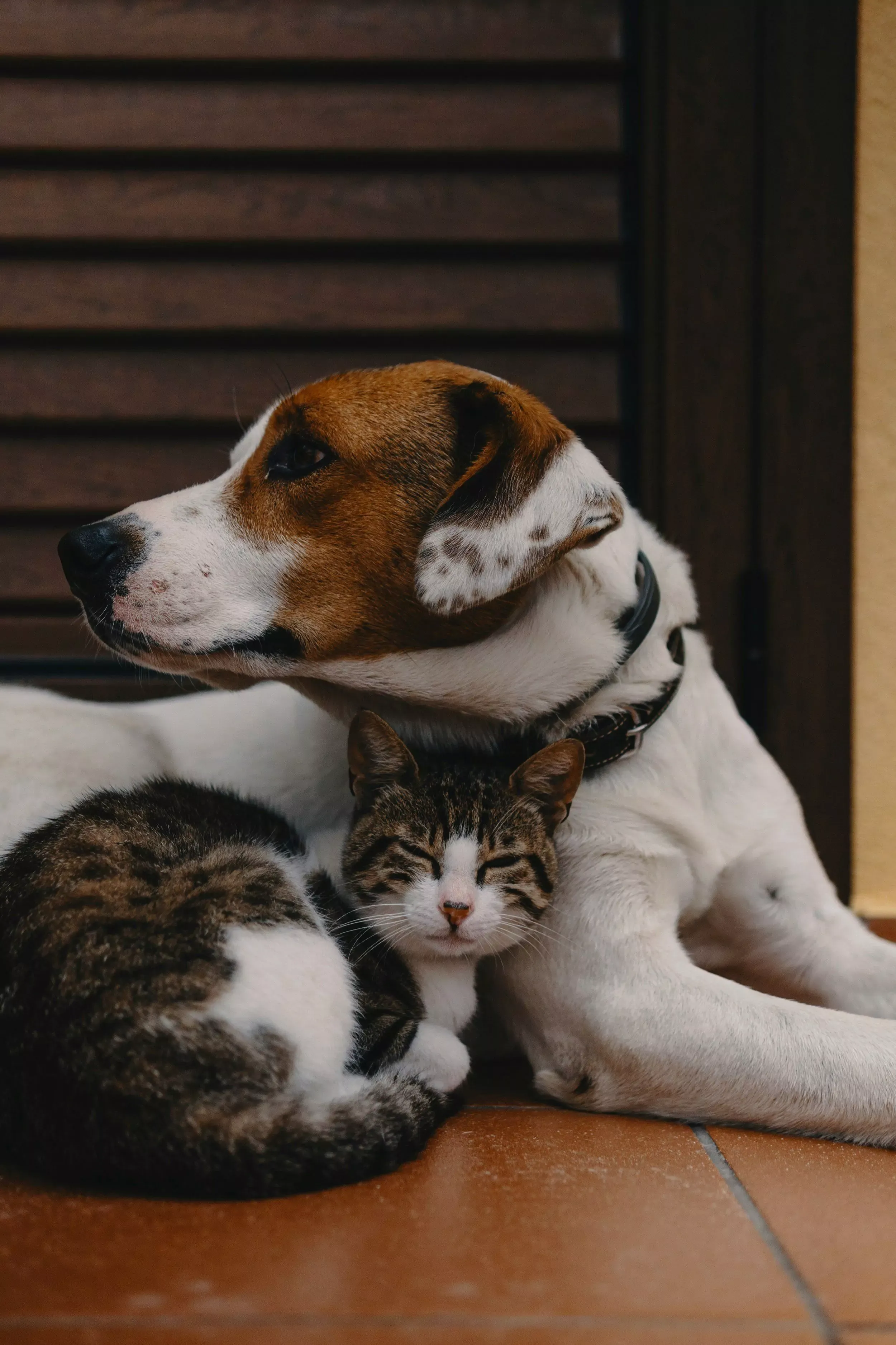

As pet owners, we often focus on providing our furry friends with love, food, and shelter. However, it’s equally important to recognize their emotional well-being, particularly when it comes to stress and anxiety. Just like humans, dogs and cats experience these feelings, and it’s our responsibility to help them adjust. By better understanding your pet’s stressors and how to address them, we can provide them a better quality of life.
Recognizing Signs of Stress and Anxiety in Your Pet
The first step towards easing your pet’s stress and anxiety is recognizing these signs in your pet.
For dogs, consider the following signs:
- Excessive Barking: While barking is normal, excessive barking can indicate stress.
- Destructive Behavior: Chewing furniture, digging, or scratching can be a sign of anxiety.
- Panting and Drooling: If your dog is panting heavily or drooling despite normal temperatures, they may be stressed.
- Pacing or Inability to Relax: Just like you think of a caged lion pacing in a circle, our pets often pace or feel on edge if they are stressed or don’t feel comfortable enough to relax.
- Withdrawal or Hiding: A dog that suddenly becomes reclusive may be feeling anxious.
- Changes in Appetite: Loss of appetite can indicate emotional distress.
- Changes in Posture: Tense body posture, tail tucked between legs, ears back, yawning or lips pulled back are often associated with stress.
- Aggressive Behavior: Pets quickly pick up on cause and effect. Unfortunately, some learn that being aggressive is the only way to make whatever’s stressing them out go away, helping them feel safe again.
For cats, consider the following signs:
- Changes in Grooming Habits: Over-grooming or neglecting grooming can signal anxiety.
- Hiding: Cats may retreat to isolated spots when they are stressed.
- Aggressive Behavior: If your usually gentle cat starts hissing or swatting, take notice.
- Litter Box Issues: We will often see inappropriate urination or defecation in cats who are stressed. Sometimes this can lead to life threatening urinary blockage.
- Vocalizing: Meowing more than usual or yowling can be signs of stress in a cat.
- Changes in Posture: Tail flicking, skin rippling, or crouching and withdrawing are often associated with stress in cats.
Common Triggers of Stress and Anxiety
As pet parents, it’s important to understand which situations may cause stress and adapt accordingly. Here are a couple triggers to be aware of:
- Environmental Changes: Moving to a new home or changes in family dynamics can disorient pets.
- Loud Noises: Thunderstorms, fireworks, or other loud sounds can create fear and anxiety.
- Separation Anxiety: Pets who are not used to being alone may become anxious when their owners leave.
- Health Issues: Pain or discomfort from health problems can lead to stress, so a visit to the vet is essential if symptoms arise.
- The Dreaded Vet Visit: While I may love going to work every day, some of my patients may beg to differ. The smells, sounds, and previous negative experiences can trigger stress and anxiety.
Possible After Effects of Untreated Chronic Stress
During periods of stress and anxiety, the brain signals an increase in adrenaline and cortisol release. Over time, excess cortisol can weaken a pet’s immune system, leaving them more vulnerable to illness. While some stressors are beyond your control, avoiding known and avoidable stressors can greatly impact your pet’s quality of life. And for stressors that can’t be avoided, like going to the vet, preparation with medication and using Fear Free handling principles can greatly improve your pet’s experience.
Strategies to Address Stress and Anxiety
- Create a Safe Space: Provide a quiet, comfortable area where your pet can retreat when feeling anxious. Ensuring this space is equipped with their favorite toys and blankets can help.
- Establish a Routine: Pets thrive on predictability. A consistent daily routine for feeding, walks, and playtime can create a sense of security.
- Exercise and Mental Stimulation: Regular physical activity is crucial for both dogs and cats. Engaging in playtime or taking walks can significantly reduce anxiety levels. Puzzle toys and training sessions can also provide mental stimulation.
- Positive Reinforcement: Use treats or praise to reward calm behavior. Training sessions can be an effective way to reinforce good behavior and reduce anxiety triggers.
- Consider Calming Aids: There are various calming products available, such as pheromone diffusers or sprays, anxiety wraps, and herbal remedies. Consult your veterinarian for recommendations tailored to your pet’s needs.
- Seek Professional Help: If your pet’s anxiety is severe or persistent, consult your veterinarian or a veterinary board-certified behaviorist. They can provide tailored strategies and, if necessary, prescribe medications or therapies to help.
- Socialization/Desensitization: Gradually exposing your pet to new environments, people, and other animals can help them become more comfortable and less anxious over time.
The Fear Free Framework: Reducing Fear, Anxiety, and Stress for Pets In the Veterinary Hospital
Dr. Marty Becker, also known as “America’s Veterinarian”, founded Fear Free in 2016. The Fear Free framework aims to recognize and taking steps to reduce fear, anxiety and stress (referred to as “FAS”) associated with visits to the veterinary hospital. In the next couple paragraphs, we dive deeper into how Fear Free is incorporated into hospitals.
The first way to cut down on FAS is to introduce your pet to its carrier well before any vet appointments. You’ll want your pets to view their carriers as safe havens. The best way to do this is leaving the carrier out in an area of the home where your pet likes to be, with soft bedding or a non-slip mat inside. The bedding can be sprayed with appeasing cat or dog pheromones and toys can be added for extra incentive to encourage them to explore and settle in comfortably.
Once you’ve arrived at the veterinary hospital, you may notice specific choices made to the hospital floorplan that were very intentional to reduce FAS in pets. For example, cats and dogs may have separate waiting areas. Additionally, the hospital’s intake protocol may be to place you and your pet into an exam room as quickly as possible to reduce exposure to other animals. There may even be a separate cat exam room designed specifically with cats’ preferences in mind, like cubbies for hiding, elevated spaces to climb, specific wall colors, and soft music or water sounds that cats find calming.
Fear Free principles also guide interactions between veterinary staff, patients, and pet parents. During wellness checks, or whenever it’s safe to do so, treats like Easy Cheese, peanut butter, or Churu snacks encourage a positive experience and help distract the pet from uneasy situations. If additional restraint is needed for a procedure, such as obtaining a blood sample or performing radiographs (x-rays), the veterinary team may use towels, muzzles, or e-collars to ensure the patient is adequately restrained and comfortable during the process. However, if restraint is causing significant FAS, your veterinarian may suggest giving a mild sedative to make sure that the necessary diagnostics can be obtained in the least stressful way. Overall, the goal is to make the veterinary experience as stress-free as possible for both your pet and everyone involved.
For pets that have a history of FAS associated while visiting the vet, your veterinarian may provide a mild sedative for you to give at home before the appointment. Ultimately, open communication between the pet parent and veterinary team is essential for a successful Fear Free experience because every pet is unique, and there are many strategies for addressing FAS. Strategies that best work for the patient are recorded in the medical record for future reference and updated as needed.
Ruby Veterinary Urgent Care Incorporates Fear Free Principles to Make Visits More Comfortable for Pets
At Ruby Veterinary Urgent Care, we make Fear Free a central part of how we care for patients, even though urgent or emergency situations may not allow for all principles to be followed. The design of our hospital and our approach to interactions with pets and pet parents are aimed at recognizing and reducing fear, anxiety and stress during visits. Above all, your pet’s comfort and health are our top priorities.
If you suspect your pet is having an emergency or urgent issue, Ruby Veterinary Urgent can help. Book an appointment online, walk in, or call ahead and we'll be ready to help.