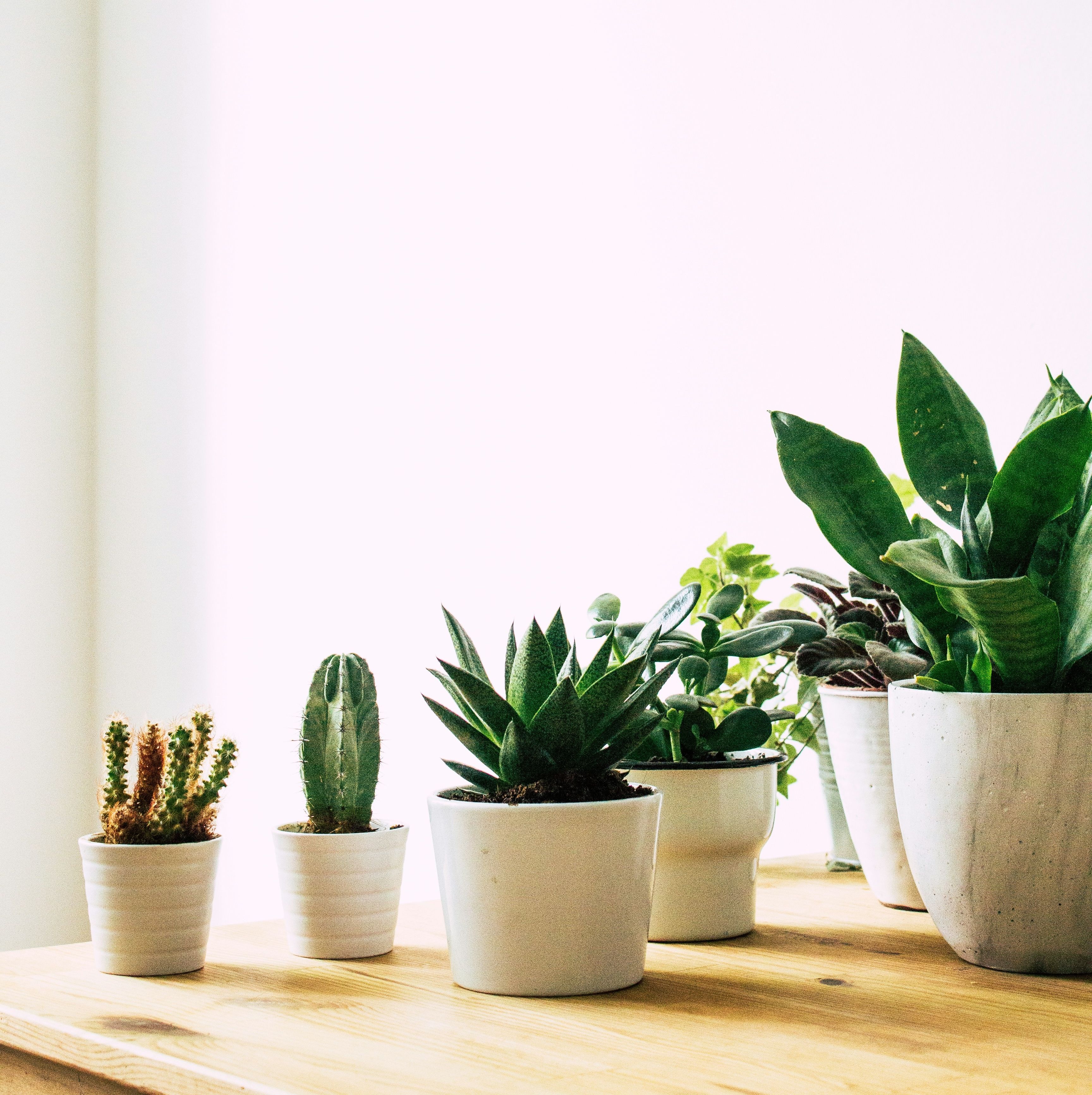

Bringing greenery and floral décor into your home can add life and warmth to any space. Unfortunately, many popular houseplants are toxic to cats and dogs, making them a hidden danger for curious pets. As responsible pet parents, it’s important to know which plants pose a risk and how to create a safe home environment for your four-legged family members.
Here’s your vet-approved guide to common toxic houseplants and pet-safe alternatives.
Top Household Plants That Are Toxic to Pets
1. Lilies (Lilium and Hemerocallis species)
Lilies are extremely toxic to cats and potentially harmful to dogs. Even small exposures, including licking pollen or nibbling a leaf, can cause acute kidney failure and death in cats. Any contact with true lilies should be treated as an emergency.
Note: Peace lilies are not true lilies and do not cause kidney failure, but they can still irritate the mouth, tongue, and lips, leading to drooling, difficulty swallowing, and vomiting.
2. Aloe Vera (Aloe barbadensis)
Although beneficial for humans, aloe vera contains saponins and anthraquinones that are toxic to dogs and cats. Ingestion may cause vomiting, diarrhea, lethargy, and tremors.
3. Snake Plant (Sansevieria spp.)
Also known as ‘mother-in-law's tongue’ (!), snake plants contain saponins, which can cause nausea, vomiting, diarrhea, drooling, and appetite loss in dogs and cats. Cats may also experience dilated pupils, pale gums, and increased thirst.
4. Pothos or Devil’s Ivy (Epipremnum aureum)
This popular vine contains insoluble calcium oxalate crystals that can cause oral irritation, drooling, vomiting, and difficulty swallowing in pets.
5. Dieffenbachia or Dumb Cane (Dieffenbachia spp.)
Also containing calcium oxalates, dieffenbachia can lead to mouth swelling, drooling, oral pain, and difficulty breathing in severe cases. It is toxic to both pets and humans.
6. Elephant Ear (Colocasia and Alocasia species)
All parts of this plant are toxic. Ingestion causes oral irritation, excessive salivation, vomiting, difficulty swallowing, and in severe cases, breathing difficulties.
7. Sago Palm (Cycas revoluta)
One of the most dangerous ornamental plants. All parts are toxic, especially the seeds. Ingestion can cause liver failure, jaundice, seizures, internal bleeding, and death.
8. Philodendron
Philodendron contains calcium oxalate crystals, causing immediate pain, swelling, vomiting, and drooling. Severe reactions can include airway swelling and difficulty breathing.
9. Poinsettias
Popular during the holidays, poinsettias have a milky sap that can irritate the mouth and stomach, leading to vomiting and mild GI upset.
10. Desert Rose (Adenium obesum)
This succulent contains cardiac glycosides, which can disrupt heart rhythm. Ingesting the sap can lead to vomiting, diarrhea, lethargy, irregular heartbeat, and even death. While a small lick might only cause mild GI upset, larger ingestions, especially of the sap, require immediate veterinary attention due to the severe heart-affecting toxins.
11. Asparagus Fern
Also known as lace fern or emerald feather, this plant contains sapogenin, a toxic steroid. It can cause vomiting, diarrhea, skin irritation, and abdominal pain in pets.
12. Azalea
Azaleas contain grayanotoxins, which affect the heart and nervous system. Even small amounts can cause vomiting, diarrhea, weakness, tremors, heart arrhythmias, seizures, or death. All parts of the plant are poisonous and even ingestion of small amounts can cause clinical symptoms. Your pet only needs to ingest 0.2% of their body weight to become sick. This means a 30 pound dog only needs to eat about 0.5oz to 1oz of the plant to get sick!
13. Tulip
The highest concentration of toxins (Tulipalin A and B) is in the bulb. Ingestion may lead to lethargy, vomiting, drooling, diarrhea, abdominal pain, difficulty breathing, and heart irregularities.
14. Tomato Plants
The green parts of tomato plants contain solanine, which can cause gastrointestinal upset, lethargy, confusion, slow heart rate, and dilated pupils. Large amounts are required for toxicity, but it's still best to keep pets away.
15. Jade Plant (Crassula ovata)
This common succulent can cause vomiting, lethargy, and loss of coordination in dogs. In rare cases, it may lead to a slow heart rate.
Pet-Proofing Tips for Plant Lovers
- Identify and remove dangerous plants: Replace toxic plants with non-toxic alternatives like spider plants, calatheas, or Boston ferns
- Supervise your pets around plants: Especially curious cats and puppies.
- Know the signs of plant poisoning: Look for vomiting, diarrhea, drooling, lethargy, difficulty breathing, or pawing at the mouth.
- Label your plants: This makes it easier to respond quickly in an emergency.
- Contact a vet if ingestion is suspected: The sooner treatment begins, the better the outcome.
Pet-Safe Plant Alternatives
1. Spider Plant (Chlorophytum comosum)
Easy to grow and completely pet-safe. Thrives in most indoor environments.
2. Boston Fern (Nephrolepis exaltata)
Lush and attractive, Boston ferns are non-toxic to dogs and cats.
3. Calathea
Known for their stunning foliage, calatheas are beautiful, pet-safe, and add a pop of color to any room. Even non-toxic plants can cause mild digestive upset if eaten in large quantities, so keep all plants out of reach when possible.
Keep Your Pets Safe Round Plants
Creating a pet-friendly home doesn’t mean giving up on your love for plants. By choosing non-toxic species and knowing which ones to avoid, you can enjoy the beauty of indoor greenery without compromising your pet’s safety. If you ever suspect your pet has ingested a toxic plant, contact a veterinarian or a pet poison helpline immediately.
At Ruby Veterinary Urgent Care, we’re here to help you navigate plant-related emergencies and offer guidance on keeping your pets safe indoors.
Stay safe, and happy gardening (and happy pet parenting!).