Toxin Exposure
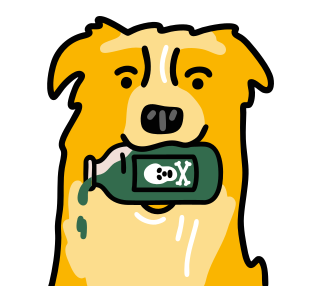
Emergency Toxicology Care for Pets Exposed to Poisons
Your dog got into the Halloween candy. Your cat knocked a bottle of ibuprofen off the counter. Your puppy ate something in the yard and you’re not sure what. In any potential poisoning scenario, time is critical. The sooner your pet receives treatment, the better the outcome.
At Ruby Veterinary Urgent Care in Johns Creek, our ER-trained veterinarians have extensive experience managing toxin exposures and can begin decontamination and treatment the moment your pet arrives.
Common Toxins Dangerous to Dogs and Cats
Pets are curious, and their tendency to eat first and ask questions later puts them at constant risk for accidental poisoning. The following are among the most common toxin exposures we treat at Ruby:
- Chocolate contains theobromine and caffeine, both toxic to dogs. The darker the chocolate, the more dangerous it is. Baker’s chocolate and dark chocolate are the highest risk, while milk chocolate requires larger quantities to cause serious harm.
- Grapes and raisins can cause acute kidney failure in dogs, and even small amounts can be dangerous.
- Xylitol, an artificial sweetener found in sugar-free gum, candy, peanut butter, and baked goods, can cause a dangerous drop in blood sugar and liver failure in dogs.
- Rat poison and rodenticides come in several types, each with different mechanisms of toxicity, from preventing blood clotting to causing brain swelling or kidney failure.
- Cannabis and THC edibles cause neurological symptoms in pets including disorientation, loss of coordination, and in some cases, seizures.
- Human medications including ibuprofen, acetaminophen, antidepressants, and ADHD medications are among the top causes of pet poisoning. Even a single pill can be dangerous.
- Toxic plants including lilies (extremely toxic to cats), sago palms, azaleas, and oleander are common in Georgia landscapes.
Signs of Poisoning in Dogs and Cats
Symptoms of toxin exposure vary depending on the substance, amount ingested, and your pet’s size. Common signs include:
- Vomiting and diarrhea, which are often the first symptoms to appear
- Drooling or excessive salivation
- Lethargy, weakness, or sudden collapse
- Tremors, shaking, or seizures
- Loss of coordination or a drunken appearance
- Rapid or difficulty breathing
- Pale or yellow gums
- Decreased appetite or refusal to eat
- Increased thirst and urination
- Bleeding from the nose, gums, or in the stool, which may indicate exposure to certain types of rodenticide
What to Do If Your Pet Is Exposed to a Toxin
If you suspect your pet has ingested something toxic, act quickly. Identify the substance if possible by saving the packaging, taking a photo, or bringing the product with you. Note the approximate amount ingested and when it happened. Do not induce vomiting at home unless specifically instructed by a veterinarian, as some substances can cause more harm coming back up. Do not give your pet milk, oil, salt water, or any home remedies.
Call Ruby Veterinary Urgent Care immediately at (470) 742-4620 and bring your pet in right away.
How Ruby Treats Toxin Exposures
How we treat your pet depends on the toxin, timing, and severity of exposure. Our veterinarians assess each case individually and may use several strategies.
Decontamination works best when we can act within 1 to 2 hours of ingestion. We may induce vomiting using safe, veterinary-grade medications to get as much of the toxin out of the stomach as possible. After that, we may give activated charcoal to bind any remaining toxin in the GI tract and reduce absorption into the body.
IV fluid therapy is a cornerstone of treatment for many poisonings because it supports the kidneys, maintains hydration, and helps flush toxins from the system. We may run bloodwork including a complete blood count and chemistry panel to assess organ function, especially the liver and kidneys, and to establish a baseline we can monitor over time.
For certain toxins, specific antidotes are available, and our veterinarian will determine if one is appropriate for your pet's situation. Beyond that, we provide supportive care to address individual symptoms like nausea, pain, tremors, or seizures as they come up.
Depending on the toxin, we may suggest calling a veterinary poison control hotline before your visit, or we can facilitate that call together in the clinic.
What to Expect During Your Visit
Time is the most important factor in toxin exposure cases. When you arrive, our team will triage your pet immediately and begin decontamination if appropriate. The veterinarian will discuss the specific risk level of the exposure, recommended diagnostics and treatment, and what to monitor at home after discharge.
Many straightforward decontamination cases can be managed within a single visit lasting 1 to 2 hours. More complex exposures, or those requiring observation and repeat bloodwork, may necessitate a longer visit or transfer to a 24-hour facility for overnight monitoring.
Recovery and Monitoring
Your pet's recovery depends entirely on the toxin involved and how quickly treatment begins.
Chocolate ingestion typically has an excellent outcome when we catch it early and decontaminate promptly. With grape and raisin toxicity, the prognosis depends on the amount your pet ate and how fast we start treatment.
Rodenticide exposure may require ongoing medication and follow-up bloodwork over several weeks to confirm your pet has fully recovered. Our veterinarian will let you know when to schedule a follow-up with your primary vet to continue monitoring. Cannabis exposure tends to resolve on its own within 12 to 24 hours with supportive care.
If your pet ingested an NSAID like ibuprofen or naproxen, the outlook is good with early decontamination. But delayed treatment can lead to kidney damage or gastrointestinal ulceration, which is why acting fast makes all the difference.
Conveniently located in Johns Creek, serving North Atlanta.
Ruby Veterinary Urgent Care is located at 10710 State Bridge Road Ste 120 in Johns Creek, Georgia, just minutes from Alpharetta, Roswell, Milton, Suwanee, Duluth, Peachtree Corners, Sandy Springs, and Cumming. We serve pet families across North Fulton County, Gwinnett County, Forsyth County, and greater metro Atlanta. Open Monday through Friday 2:00 PM to 10:00 PM and Saturday through Sunday 10:00 AM to 8:00 PM. Walk-ins welcome or book online at rubyvet.com.
Frequently asked questions
If your dog eats something toxic, immediately call your veterinarian, an emergency veterinarian, or a pet poison control hotline (such as ASPCA or Pet Poison Helpline) or bring your pet to the vet.
No. We strongly recommend against inducing vomiting at home. Some substances, including caustic chemicals and sharp objects, can cause more damage if vomited. Hydrogen peroxide is sometimes recommended online, but we don't recommend it because it can cause severe stomach irritation and isn't always effective. Safe, reliable vomiting induction is best performed at a veterinary clinic with proper medications and monitoring.
Pets are more susceptible to THC’s effects than humans, and even small amounts can cause toxicity, potentially leading to life-threatening situations.
Yes, human medications can be highly toxic to pets. No medication, whether veterinary-prescribed, human-prescribed, or over-the-counter, should be given to a pet without direction from a veterinarian.
Reserve Your Spot
Book online to reserve your time. Walk-ins always welcome.