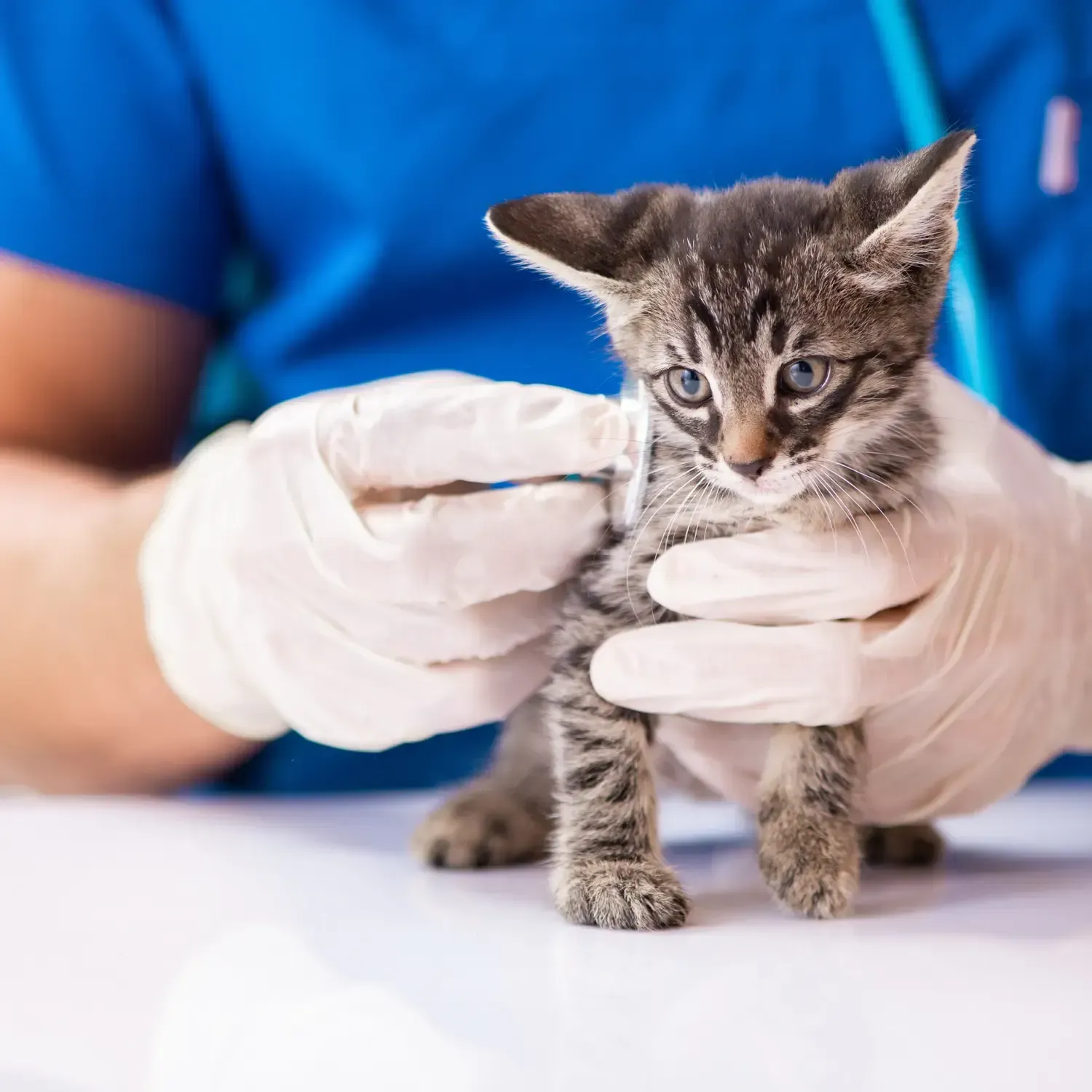

September is National Pet Health Insurance Month, making it a timely opportunity to consider the well-being of your pets. As responsible pet owners, we recognize that unforeseen health issues can arise, and being prepared is essential. Veterinary medicine has made remarkable advancements, providing treatments that improve both the quality and longevity of your pet's life. However, like many other sectors of the economy, the cost of veterinary care has risen considerably in recent years. By taking a proactive approach, you can put yourself in a position to provide the best care for your best buddy in emergency situations.
Given my investing and finance background, I’ve been interested in the rapidly expanding pet health insurance market. Much like in human health, navigating these options can be a bit daunting, especially finding the right intersection between cost and coverage. It's also important to consider them in the context of the diverse financial situations and budgets that pet parents may have. In this guide, we'll explore the importance of pet insurance, the different models available, what to consider when choosing a policy, and how an emergency fund might serve as a complement or alternative to insurance.
The Importance of Pet Insurance
Your pets are more than just animals; they're family members. Ensuring their health and happiness is a key priority. Here's why pet insurance can be a valuable resource:
- Managing Veterinary Costs
Veterinary care encompasses a wide range of services, from routine check-ups to [urgent care(https://www.rubyvet.com/cases/end-of-life-care) to specialized treatments. Just like you have health insurance for your family, pet insurance can help manage these costs and make them more predictable, making it easier to provide the care your pet needs when they need it.
- Preparedness for Unpredictable Events
Accidents and sudden illnesses can occur without warning. While we strive to keep our pets safe, situations like ingesting foreign objects or unexpected injuries can happen. Pet insurance offers a safety net for these unforeseen events.
- Focus on Your Pet's Well-Being
With insurance, you can concentrate on your pet's recovery rather than the financial aspects of treatment. This peace of mind allows for quicker decision-making in urgent situations. Most importantly, having a financial safety net for your pet can help you avoid the stressful situation of considering euthanasia.
- Access to Comprehensive Care
Insurance can make advanced diagnostics and treatments more accessible. This ensures your pet benefits from the best possible veterinary care without delay.
Different Models of Pet Insurance
Insurance can be a bit daunting to navigate and understanding the various pet insurance models helps you choose a plan that aligns with your pet's needs and your budget. We’ve done the work to demystify the different types of plans and key considerations for each. We’ve also provided examples of plans; use these as a starting point as you conduct your research about which carrier and coverage option are best for your situation.
- Accident-Only Coverage
What It Covers: Injuries resulting from accidents, such as fractures or ingestion of non-food items.
Ideal For: Pets with a low risk of illness or owners seeking a budget-friendly option.
Considerations: Does not cover illnesses or chronic conditions.
Pricing: Average monthly premium is around $17 for dogs and $10 for cats.
Examples:
- ASPCA Pet Health Insurance Accident-Only Plan: Offers coverage specifically for accidents, including treatments, diagnostics, and emergency care
- Pets Best Accident-Only Plan: Covers accidental injuries like broken bones or bite wounds, with affordable premiums.
- Figo Pet Insurance Accident: Only Policy: Provides accident coverage with options for different deductibles and reimbursement levels.
- Accident and Illness Coverage
What It Covers: Accidental injuries and illnesses, including infections and hereditary conditions.
Ideal For: Providing comprehensive protection for pets at any life stage.
Considerations: May have exclusions and waiting periods.
Pricing: Average monthly premium is about $56 for dogs and $32 for cats.
Examples:
- Healthy Paws Pet Insurance: Offers unlimited lifetime coverage for accidents and illnesses with no caps on payouts.
- Embrace Pet Insurance: Covers accidents, illnesses, genetic conditions, and offers a “healthy pet discount” with diminishing deductibles for each year without a claim.
- Trupanion: Provides 90% reimbursement for covered treatments with no payout limits, focusing on comprehensive accident and illness coverage.
- Comprehensive Coverage (Including Wellness Plans)
What It Covers: Accidents, illnesses, and often routine care like vaccinations and wellness exams.
Ideal For: Owners looking for an all-inclusive plan.
Considerations: Higher premiums and specific coverage details vary by provider.
Pricing: Premiums can range from $50 to $100+ per month.
Examples:
- MetLife Pet Insurance with Preventative Care: Covers almost everything from accidents and illnesses to wellness exams, vaccinations, and dental care.
- Pets Best BestBenefits + BestWellness Plan: An a la carte plan that pairs accident and illness coverage with routine care.
- Wellness Plans
What It Covers: Preventative care, including regular check-ups and vaccinations.
Ideal For: Supplementing other insurance plans to cover routine care.
Considerations: Does not cover accidents or illnesses.
Pricing: Stand-alone wellness plans average $10 to $25 per month.
Examples:
- Embrace Wellness Rewards: An optional add-on covering routine veterinary visits, grooming, and even training classes.
- ASPCA Preventive Care Options: Offers two levels of wellness coverage that can be added to accident and illness plans.
What to Consider When Choosing Pet Insurance
There are several key terms and factors that you should evaluate when selecting a pet insurance plan:
- Coverage Limits
- Annual Limits: The maximum amount payable per policy year.
- Per-Incident Limits: Caps on payments for a single incident.
- Lifetime Limits: Total amount payable over your pet's lifetime.
- Ruby’s Tip: It’s worth assessing potential treatment costs to choose appropriate limits. For example, evaluate what a typical accident or illness visit would cost and choose a plan that provides the best financial support versus the annual premiums paid and what you’re comfortable paying out-of-pocket.
- Deductibles
- Types: Annual vs. per-incident deductibles.
- Impact on Premiums: Higher deductibles often result in lower premiums.
- Ruby’s Tip: You should balance your deductible with your ability to cover out-of-pocket expenses.
- Reimbursement Levels
- Options: Typically 70-90% reimbursement after the deductible has been met.
- Ruby’s Tip: You may want to consider higher reimbursement for lower out-of-pocket costs during claims, however, these are typically associated with higher deductibles.
- Policy Exclusions and Waiting Periods
- Pre-Existing Conditions: Most policies exclude conditions existing before coverage starts. These will be evaluated at the time your pet signs up for coverage.
- Waiting Periods: Coverage begins after a specified time, typically anywhere from 14-30 days.
- Ruby’s Tip: Review policy details to understand coverage start dates. This is another reason to be proactive and have insurance in place before something happens to your pet.
- Veterinarian Network
- Flexibility: Many insurers allow you to visit any licensed veterinarian.
- Ruby’s Tip: Confirm your policy to ensure your preferred vet is covered. In most cases, you will pay for treatment in full at the hospital and receive a visit report that includes medical records and invoices that you can submit to your insurance carrier to receive a reimbursement.
- Some companies have been developing online portals that can provide coverage amounts at the time of your visit and will directly pay the hospital. In any case, it’s best to check with your vet at the time of your visit to understand payment and claim procedures.
- Provider Reputation
- Claims Process: Look for straightforward claims procedures.
- Customer Service: You’ll want to pick a carrier that has responsive support and is easily reachable via phone or email.
- Ruby’s Tip: It always helps to read reviews and ask for recommendations. You should compare plans online and ask your friends what their experience has been.
Common Misconceptions About Pet Insurance
We hear these a lot and think it makes sense to clarify misconceptions about insurance:
"Pet Insurance Is Too Expensive": There are plans available at various price points. You’ve spent so much time and energy on food, toys, training, and grooming—why not devote the same to your pet’s financial fund? Consider the long-term benefit than simply looking at the monthly cost.
"My Pet Is Healthy and Doesn't Need Insurance": Even healthy pets can have accidents or sudden illnesses. The best time to get insurance is when your pet doesn’t need it!
"Insurance Doesn't Cover What I Need": Policies vary widely and researching options can help you find suitable coverage. There’s been a proliferation of pet insurance options in the past several years. You will be able to find a plan that fits your needs and budget.
When to Consider an Emergency Fund
This is an option that we particularly like because it’s a valuable tool in pet healthcare planning. An emergency fund is a savings account designated for unexpected expenses. Think about it as an HSA for your pet (hopefully one day it’ll be tax deductible!).
Using an Emergency Fund as a Complement to Insurance
- Covering Extras: Use it for expenses not covered by insurance, such as certain medications or specialized treatments.
- Managing Out-of-Pocket Costs: It can help with deductibles and co-pays.
Using an Emergency Fund as a Complement to Insurance
- Personal Preference: This is a great option if you prefer self-insuring and are disciplined in saving.
- Uninsurable Situations: It is particularly helpful with pets with specific pre-existing conditions that may not be coverable by an insurance plan.
Advantages of an Emergency Fund
- Immediate Access: Your funds are available when needed.
- No Policy Restrictions: You're not limited by insurance terms, and you can use the funds however you’d like.
Limitations of an Emergency Fund
- Time to Accumulate: Building a substantial fund takes time. You can make it easier by creating a separate checking or savings account for your pet and automatically contributing a set dollar amount monthly. By setting aside $10-100 per month, you can dramatically ease the cost of unexpected veterinary care. You can even put it in a high yield savings account so it earns interest as it grows.
- Potential Shortfalls: Significant medical expenses could exceed your savings.
Combining Pet Insurance and an Emergency Fund
This is our favorite approach because we believe it is the most effective strategy to achieve comprehensive financial preparedness:
- Enhanced Coverage: The insurance handles major expenses while the emergency fund covers additional costs or costs not covered by your plan.
- Flexibility: You can self-insure with an emergency fund and supplement with a strong accident-only or accident and illness plan to create your own “whole life” coverage.
Introduce Insurance and Emergency Funds into Your Pet’s Healthcare Plan
At Ruby Veterinary Urgent Care, we're dedicated to the health of your pets and committed to providing you informative and actionable advice. Pet insurance can be a valuable part of your pet healthcare plan, providing support when you need it most. Whether you opt for insurance, an emergency fund, or a combination of the two, proactive planning ensures you're ready to provide the best possible care for your pet. This National Pet Health Insurance Month, we encourage you to explore your options and consider your pet's needs, research policies, and think about setting up an emergency fund.