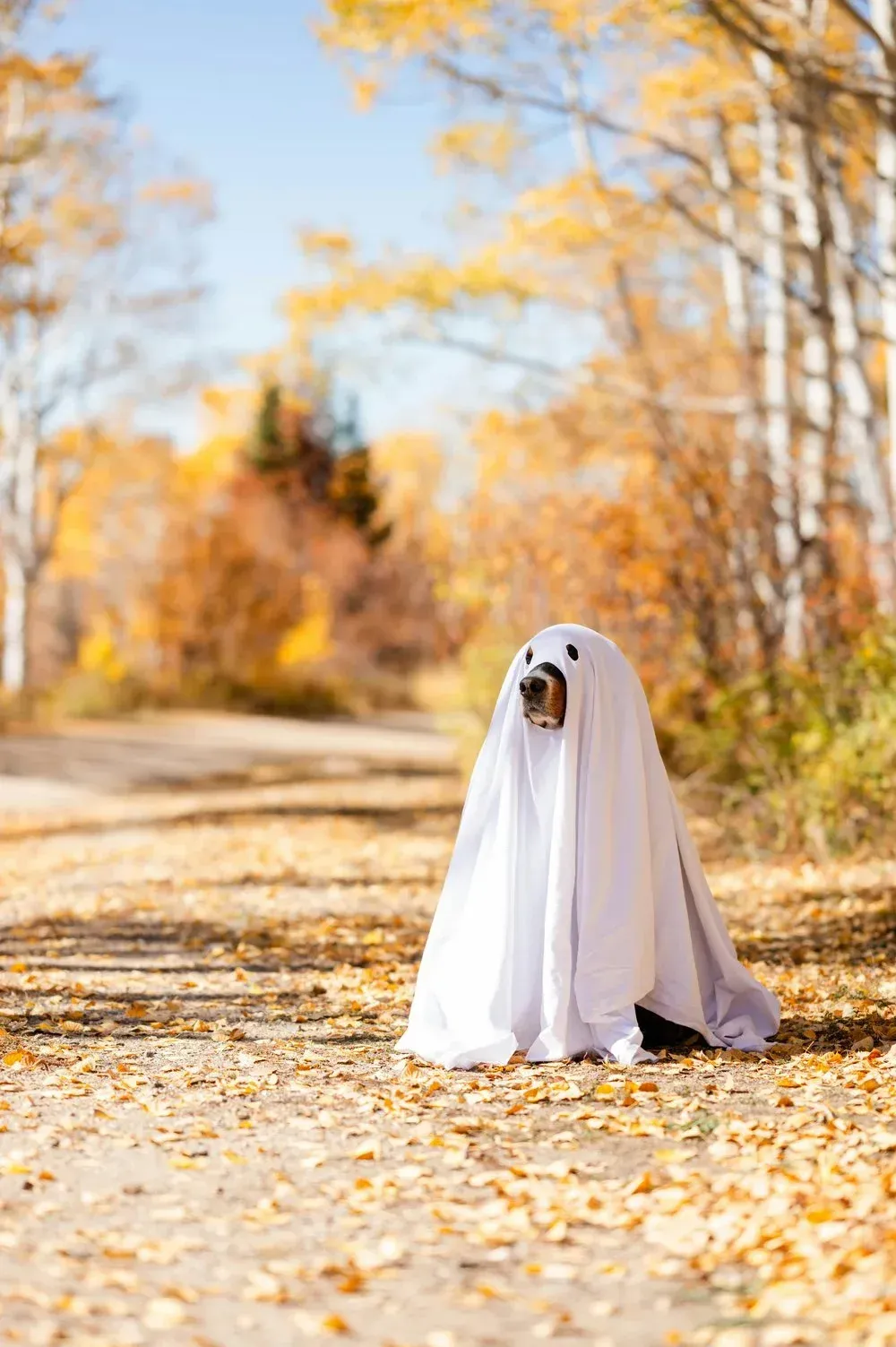

Halloween is such a fun holiday to involve the whole family. Just as some kids are excited by ghouls and goblins while others prefer to dress up as Disney princesses or firefighters, our four-legged family members have their own unique personalities too. Ruby Veterinary Urgent Care is here to guide you on the Do’s and Don’ts for a spooktacular Halloween.
Here are five tips for a fun and stress-free Halloween with your pets:
Halloween Hype Can Cause Pets Stress
Even before the first leaf changes color, Halloween and all that comes with the change in weather begins. Stores put out their decorations of motorized skeletons and fear-inducing cackles, sending the little ones running. But don’t forget the pets! The constant doorbell ringing and shouts of “trick or treat” can cause our pets to run and hide. Before the trick-or-treating starts, put your pets in a quiet room where they will be safe from all the Halloween activity. Consider placing them in room away from the front door, a crate where they are cozy, and a treat-filled toy. Cats can benefit from a spritz of a feline pheromone spray in an area where they prefer to curl up.
If the Halloween party is at home, keep your pets away from the festivities. Masks and costumes change how people look and smell to a pet, so even familiar people may become frightening. Put a sign on the door to the safe room so guests know that it’s off limits.
Halloween is not the night for a late-night walk. Keep your dog at home when going door-to-door. Dogs can be easily excited by the Halloween commotion, and a bite or a lost dog will quickly end the evening’s fun.
Sharing is Not Always Caring
While we encourage the kids to share their loot with each other, sharing their candy with their four-legged friends can lead to a visit to the emergency room. Many foods such as chocolate, gum, and raisins as well as ingredients like xylitol, a sugar substitute used in candy and peanut butter, are hazardous to pets. Make sure to keep all candy safely stashed in a high cabinet secured with a lock or child safety latch.
Use Pet-Friendly Holiday Decor
As you introduce your curious pets to your Halloween costume and décor, pay close attention to their reaction. Watch for signs like startled jumps, cautious approaches, flattened ears, and quick tongue flicks when they encounter these strange sounds and sights. These are telltale signs your pet is uncomfortable. Allow your pet to explore at its own pace and never leash them into an intimidating situation where they can’t escape a spooky set up.
Also be aware of decorations that require batteries and electrical cords. Pets like to chew on these items which can lead to electrocution or foreign body ingestion. Other Halloween décor, like lit pumpkins or candle flames, are best out of reach to protect from a fire.
Do They Make that in Dog Size?
Even though our dogs and cats look incredibly cute in their police officer costume or their fairy tutu, they may be feeling stressed or uncomfortable. We recommend not dressing up your pets unless you are absolutely positive they enjoy wearing the costume. It’s important to examine the costume for any pieces that can easily be chewed off causing a choking hazard or possible foreign body. Pets should not be limited with their movement while wearing the outfit or have difficulties breathing, barking or meowing.
Pet Identification and Safety is Key
One of the most critical aspects of ensuring your pet’s safety during Halloween, or any time of the year, is proper identification. With the hustle and bustle of Halloween activities, increased foot traffic, and potential for unexpected situations, having your pet properly identified can be a lifesaver. Here are some essential tips for pet identification and safety:
- A well-fitted collar and tags: Your dog should wear a well-fitted collar with identification tags at all times, but it’s especially crucial during Halloween. Ensure that you dog’s collar fits comfortably and securely. The ID tags should include your dog’s name, your phone number, and your address. These tags are the quickest way for someone to contact you if your dog gets lost during Halloween festivities.
- Microchipping: In addition to collar tags, consider getting your pet microchipped. A microchip is a tiny, permanent identification device that’s inserted under your pet’s skin. It contains a unique ID number that can be scanned by veterinarians, animal shelters, or rescue organizations. Be sure to keep your contact information associated with the microchip up to date. If your pet escapes or gets lost and ends up at a shelter, a microchip can significantly increase the chances of a happy reunion.
- Reflective gear: Halloween often involves evening or nighttime activities. Make sure your dog is visible in low-light conditions by using reflective gear. Attach reflective strips or a light up collar to your dog’s costume or harness. This helps drivers and other pedestrians see your dog, reducing the risk of accidents.
- Secure leash and harness: When you’re out and about with your dog on Halloween, always use a secure leash and harness. The leash should be strong and appropriate for your dog’s size and strength, and ideally not a retractable leash which can snap, be more difficult to reign in your dog from an unwanted encounter, and potentially cause significant trauma to yourself and your pet. A comfortable harness provides better control and reduces the risk of choking if your dog pulls.
Halloween is meant to be a fun night filled with surprises and fun around each corner. But accidents can happen, and should your pet ingest something harmful or get injured, Ruby Veterinary Urgent Care is available for all your pet’s ghastly needs.
HAPPY HALLOWEEN!….MWAHH AHHH AHHH AHHH