
The Importance of a Pet First Aid Kit
Most of us have a drawer or cabinet filled with Band-Aids, ointments, and leftover human medications, but how many pet parents have a dedicated first aid kit for their furry family members? Emergencies can happen at any time, and being prepared can make all the difference. A pet first aid kit helps you respond quickly, treat minor issues, and stabilize your pet before reaching the vet.
Why You Need a Pet First Aid Kit
A well-stocked first aid kit provides:
- Immediate care for minor injuries to prevent complications
- Fast response in emergencies when every second counts
- Peace of mind knowing you're ready to help your pet when it matters most
What to Include in Your Pet First Aid Kit
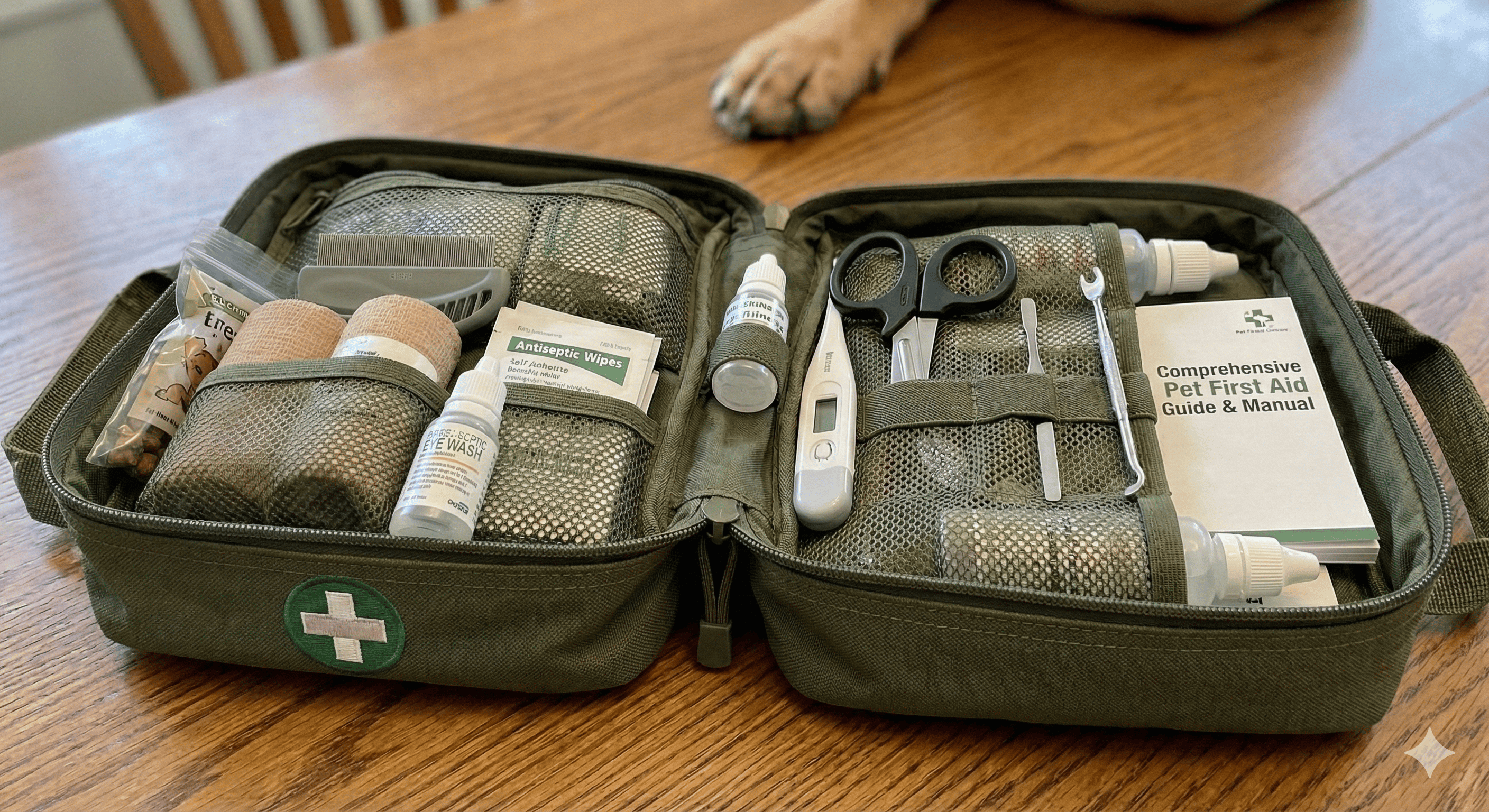
Your kit should be tailored to your pet’s needs but should generally include:
- A pet-specific first aid manual (such as those from AVMA or Merck Veterinary Manual)
- Gauze, non-stick bandages, and adhesive tape
- Antiseptic wipes for cleaning wounds
- Tweezers and blunt scissors
- Digital thermometer (normal temp: 100–102.5°F for dogs and cats)
- Saline solution for rinsing wounds or eyes
- Muzzle and gloves for safety
- Your pet’s medical records and your vet’s contact info
What Not to Include
Never include over-the-counter human medications unless directed by your veterinarian. Pain relievers and anti-inflammatories for people can be toxic to pets, and dosages must be calculated based on your pet’s species, weight, and health history.
Minor Issues You Can Treat at Home
- Minor wounds: Clean small, non-bleeding scrapes and cover with gauze until your vet can assess.
- Bug bites and stings: Remove stingers carefully and monitor for allergic reactions.
- Mild vomiting or diarrhea: Withhold food for 12–24 hours, then introduce a bland diet if vomiting subsides.
- Soft tissue injuries: Rest is best. If your pet is limping or reluctant to move, restrict activity and monitor closely.
What to Do in an Emergency
Remember the 3 C’s – Check, Call, and Care:
- Check your pet’s condition and ensure the environment is safe.
- Call your veterinarian or local emergency vet clinic for guidance.
- Care: Provide first aid as directed until you can get professional help.
Examples of Emergency First Aid
- Bleeding: Apply direct pressure with a clean cloth. Do not remove layers—add more if needed.
- Choking: Try to dislodge the object only under veterinary guidance.
- Poisoning: Identify the toxin and bring the packaging. Do not induce vomiting unless instructed.
- Heatstroke: Cool with water, promote airflow, and avoid using towels or ice.
- Unconsciousness or Seizures: Monitor breathing, avoid restraint, and seek urgent care.
- CPR: If your pet is not breathing or has no heartbeat, begin rescue breathing and chest compressions. Visit recoverinitiative.org to learn more about pet CPR.
When to Call the Vet Immediately
Always contact your vet or go to the ER if your pet has:
- Deep wounds or visible tissue
- Persistent vomiting or bloody diarrhea
- Difficulty breathing
- Multiple seizures or seizures lasting longer than five minutes
- Ingested a toxin or foreign object
Final Thoughts
A pet first aid kit is a vital part of responsible pet ownership. It allows you to treat minor injuries, stabilize emergencies, and support your pet’s health at home. Check your kit regularly, replace expired items, and ensure everyone in your household knows where it is and how to use it.
Need Help? Call Ruby Veterinary Urgent Care
If your pet is injured, vomiting, limping, or showing signs of distress, we’re here to help. At Ruby Veterinary Urgent Care, our expert team is ready to handle everything from snout to tail. Call us, book online, or walk in – we’re here when care can’t wait.